The Perilous Crossroads: How Trump and Khamenei's Miscalculations Fuel Global Conflict
The history of conflict is often written in the ink of miscalculation. As Geoffrey Blainey, the acclaimed historian, sagely observed in his seminal work, “The Causes of War,” hostilities frequently erupt when nations fundamentally misunderstand their own strength or their adversary’s resolve. In our contemporary geopolitical landscape, few situations exemplify this truth more starkly than the protracted and volatile standoff between the United States and Iran. At its heart lies a dangerous confluence of strategic errors, a 'fog of war' propagated by the distinct yet equally perilous forms of hubris exhibited by former U.S. President Donald Trump and Iran's Supreme Leader, Ali Khamenei. Their respective brands of conviction have not only skewed diplomatic pathways but have also ushered the world to the brink of a potentially devastating confrontation, underscoring the profound impact of Trump & Khamenei: Hubris, Miscalculations, and the Brink on international relations.
Trump's Transactional Battlefield: High Stakes, High Risks
Donald Trump’s approach to international relations, particularly concerning the Middle East, was characterized by an unwavering belief in transactional diplomacy and a penchant for projecting strength. For him, the region was less a complex tapestry of historical grievances and more a negotiating table where high risks promised high rewards. His brand, meticulously crafted around the image of the ultimate dealmaker, made military action often appear more palatable than any perceived concession or weakness in negotiation. This mindset was evident in several key decisions:
- Withdrawal from the JCPOA: Trump’s unilateral withdrawal from the Iran nuclear deal (Joint Comprehensive Plan of Action) was predicated on the belief that a tougher stance would force Iran back to the negotiating table for a "better deal." This move, however, alienated allies and removed critical diplomatic guardrails.
- Soleimani's Elimination: The targeted killing of General Qassem Soleimani was viewed by Trump as a decisive victory, reinforcing his confidence in the efficacy of military strikes to achieve strategic objectives. While lauded by supporters, critics argued it dramatically escalated tensions and risks, pushing Iran to retaliate.
- Sanctions as Leverage: A strategy of "maximum pressure" through crippling sanctions aimed to economically suffocate Iran into submission. However, this often strengthened hardliners within Iran and fueled anti-American sentiment, rather than facilitating diplomatic breakthroughs.
Trump’s past successes, whether real or perceived, in other geopolitical arenas like Venezuela and Iraq, seemed to fuel a misguided belief in the replicability of such victories. This perspective often overlooked the deep-seated ideological motivations and historical context that define the U.S.-Iran relationship, leading to significant trump khamenei miscalculations that intensified the standoff. He envisioned a world where every problem had a transactional solution, underestimating the power of non-monetary values and deeply held convictions that govern states like Iran.
Khamenei's Ideological Fortress: The Fight for Existential Survival
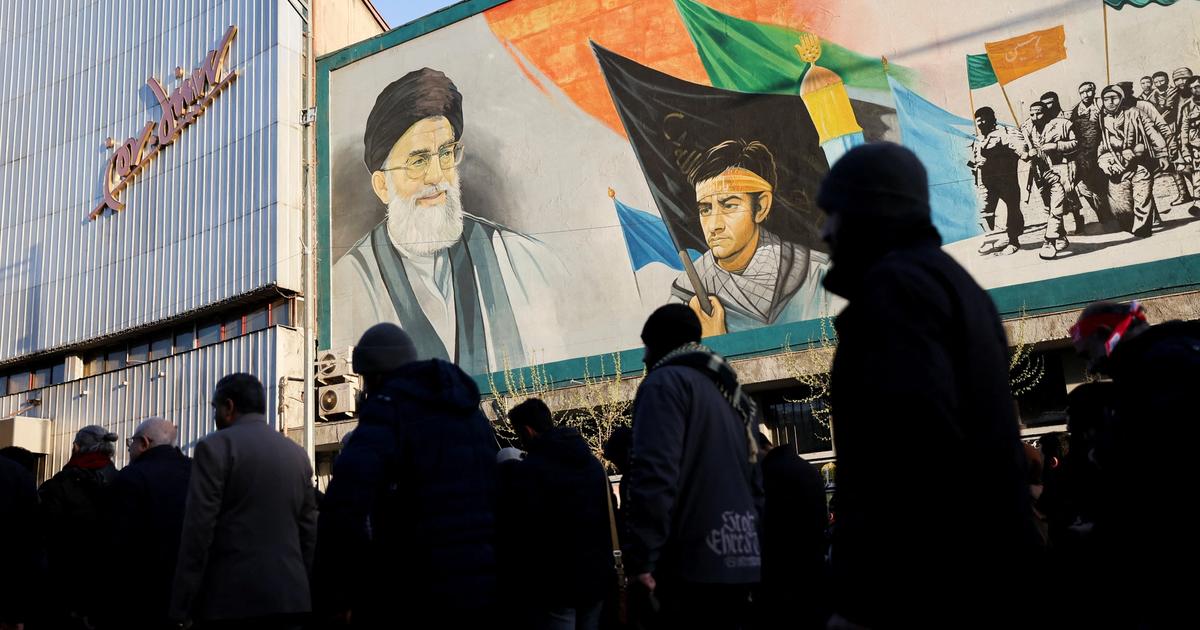
In stark opposition to Trump's transactional worldview, Ali Khamenei's strategy is deeply rooted in ideological conviction and a fierce determination for the survival of the Islamic Republic. For Khamenei, the stakes transcend mere political maneuvering; they encompass the preservation of a regime he perceives as divinely mandated and the legacy of the 1979 revolution. This ideological rigidity profoundly reshapes his worldview, leading him to confront U.S. threats with unwavering steadfastness. His resolve is bolstered by several factors:
- Divine Mandate: The belief that the Islamic Republic's existence is divinely ordained imbues his decisions with an almost sacred quality, making compromise with the "Great Satan" (the U.S.) ideologically problematic.
- Historical Resilience: Decades of confronting external pressures, including the Iran-Iraq War and numerous sanctions, have fostered a strong sense of national and ideological resilience, leading Khamenei to dismiss American military capability as a fleeting nuisance rather than an existential threat that can break the regime.
- Internal Consolidation: Khamenei has often used external threats to consolidate power internally, framing any dissent as a betrayal to the nation in the face of an imperialist foe. This narrative bolsters his authority and reduces the political space for moderation.
Khamenei's confidence in Iran’s endurance is a cornerstone of his strategic calculations. He projects an unyielding image of perseverance and martyrdom, even as the regime faces severe economic hardship and internal unrest. This steadfastness, while a source of strength domestically, contributes to Khamenei's miscalculations by potentially underestimating the true economic and military pressures exerted by the U.S. and its allies. For a deeper dive into the contrasting motivations, consider reading US-Iran Standoff: Trump's Deal vs. Khamenei's Survival.
The Dangerous Interplay of Hubris and Blind Spots
The real danger in the U.S.-Iran standoff emerges not just from individual misjudgments, but from the combustible interplay of Trump's and Khamenei's respective forms of hubris. Trump's reckless confidence in the efficacy of military action and coercive diplomacy clashed directly with Khamenei's assurance in Iran's enduring ideological strength. Both leaders, trapped within their self-reinforcing narratives, struggled to accurately gauge the other's true intentions, red lines, and capabilities.
This dynamic creates dangerous blind spots:
- Underestimating Resolve: Trump consistently underestimated Iran's resolve to withstand pressure and retaliate, believing that economic pain would inevitably lead to capitulation. Khamenei, conversely, may have underestimated the potential for Trump to greenlight military action beyond limited strikes.
- Mirror Imaging: Both sides likely engaged in mirror imaging, assuming the other side would react rationally to their own actions based on their own cultural and strategic frameworks. This often leads to misinterpretations of signals and escalatory spirals.
- Lack of Empathy: Neither leader appeared willing or able to truly step into the other's shoes and understand their motivations and constraints. Trump saw Khamenei as a shrewd, but ultimately pragmatic, dictator who would bend to pressure for a better deal. Khamenei saw Trump as a reckless, short-sighted bully driven by avarice, who could be outlasted.
Such fundamental misunderstandings are a classic precursor to conflict. When leaders fail to accurately assess their adversary's bargaining power, as Blainey noted, the likelihood of an "accident" – an unintended war – dramatically increases. The entrenched positions born from these trump khamenei miscalculations mean that de-escalation pathways become obscured, and even minor incidents can trigger disproportionate responses.
Global Ripples: The Far-Reaching Consequences
The repercussions of the U.S.-Iran standoff, fueled by these deep-seated miscalculations, resonate far beyond the immediate region, creating a cascade of global challenges. The Middle East, a vital artery for global energy supply, is particularly vulnerable to instability:
- Economic Volatility: Fluctuating oil prices are perhaps the most immediate and tangible global impact. Any significant disruption to oil production or shipping routes in the Persian Gulf sends shockwaves through international energy markets, affecting consumers and industries worldwide.
- Strained Alliances: The U.S. withdrawal from the JCPOA and its maximalist approach strained relations with traditional European allies, who favored a diplomatic solution. This fractured Western unity complicates responses to other global challenges and weakens the multilateral system.
- Regional Proxy Wars: The U.S.-Iran rivalry plays out across numerous proxy conflicts, from Yemen to Syria and Iraq. Escalations directly fuel these conflicts, exacerbating humanitarian crises, displacing populations, and creating fertile ground for extremism.
- Foreign Policy Realignments: Nations like the UK, Canada, and Australia find their foreign policy strategies tested. Balancing their alliances with the U.S. against domestic and international sympathy for Iranian demonstrators, or the practicalities of diplomatic engagement, becomes increasingly complex.
- Threat to International Shipping: The Strait of Hormuz, a critical choke point for global oil transport, frequently becomes a flashpoint. Incidents here threaten the free flow of commerce and can significantly impact global supply chains.
For nations and global organizations attempting to navigate this treacherous landscape, some practical considerations include:
- Diversifying Energy Sources: Reducing reliance on Middle Eastern oil can mitigate the economic impact of regional instability.
- Strengthening Multilateral Diplomacy: International bodies and regional alliances can play a crucial role in de-escalation and providing alternative channels for communication, helping to bridge the gap created by leader-level misjudgments.
- Promoting De-escalation Frameworks: Encouraging "off-ramps" and clear communication protocols to prevent unintended escalation is vital, especially when direct dialogue is fraught with mistrust.
- Fact-Based Analysis: Leaders and policymakers worldwide must rely on objective, nuanced intelligence rather than ideologically driven narratives to understand the complex motivations of all parties involved.
The precarious balance of power in the Middle East hinges not solely on military capabilities but crucially on the deeper ideological frameworks and personal dispositions that inform the strategies of leaders like Trump and Khamenei. Their respective miscalculations have created a persistent state of tension, a crossroads where the fog of war threatens to engulf not just the immediate adversaries, but the stability of the entire global order. Understanding these strategic errors is the first step toward preventing future leaders from repeating such perilous mistakes and steering away from the brink of wider conflict.